
Everything You Need to Know About Mobile Phone Hydrogel Screen ProtectorsThin coatings of material called screen protectors are applied to mobile phone screens to prevent smudges, cracks, and scratches. They serve as a barrier, shielding the screen from normal wear and tear, drops, and other small harms. By using a screen protector, expensive repairs or replacements can be avoided and the phone's original look can be preserved. Contemporary shields, such as hydrogel and tempered glass, improve usability by minimizing fingerprints and glare while maintaining touch sensitivity. A screen protector is an easy and inexpensive solution for smartphone owners to keep their gadget in good shape, increasing its longevity and preserving its resale value.
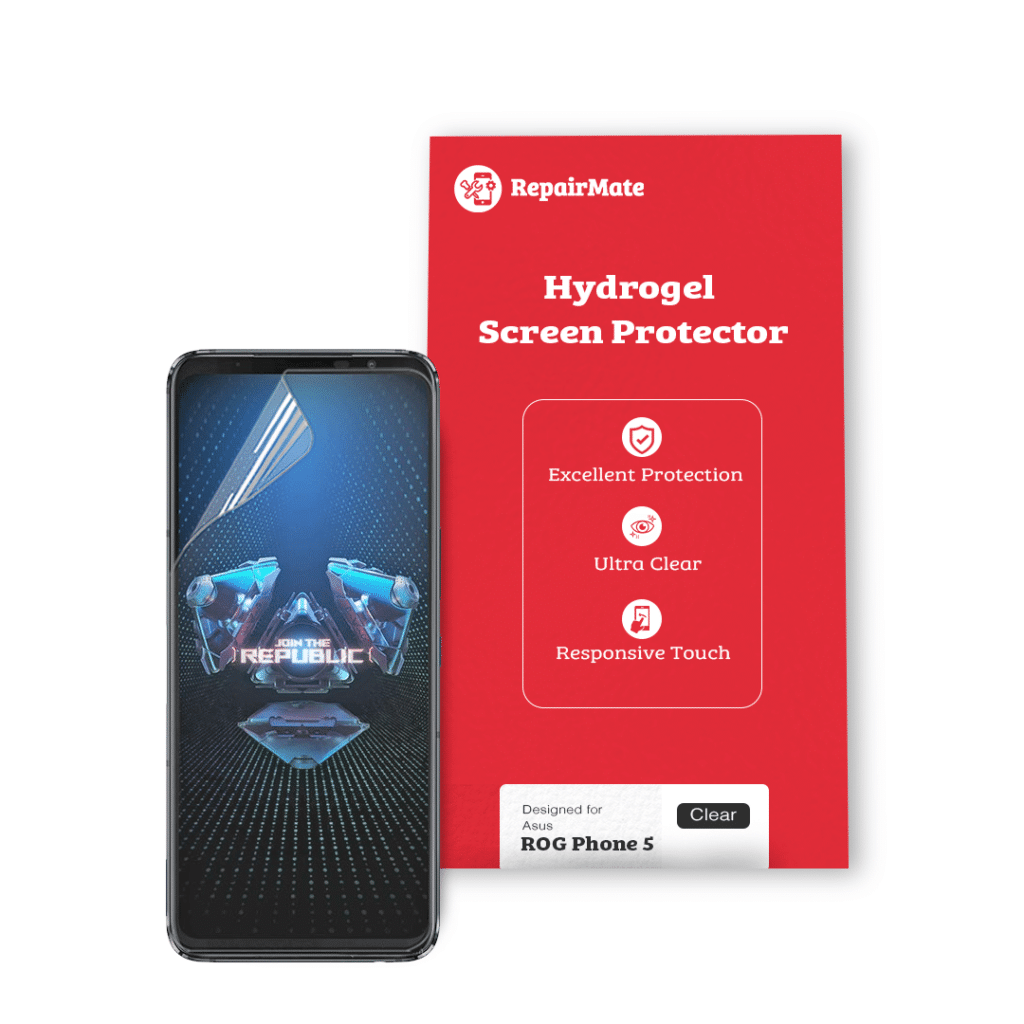
Hydrogel screen protectors are an exciting new option for protecting mobile phone screens. Made from a soft and flexible material, hydrogel protectors fit perfectly over curved or flat screens, providing full coverage and excellent protection. Unlike traditional tempered glass protectors, hydrogel protectors are thinner and more lightweight, making them almost invisible while still guarding against scratches and minor impacts. Their self-healing properties help remove small scratches over time, keeping the screen looking new. Hydrogel protectors are becoming more popular because they work well with modern phone designs, including curved displays and under-screen fingerprint sensors, offering both style and practicality for users.
What Are Hydrogel Screen Protectors?
Hydrogel Material Definition and Explanation
Made from a gel-like polymer that conforms to the contour of a surface, hydrogel is a soft, flexible, and self-healing substance. It is perfect for contemporary mobile screens because of its exceptional flexibility and transparency. The purpose of hydrogel protectors is to preserve the screen's original appearance by absorbing small impacts and scratches.
The Differences Between Hydrogel and Other Materials
Tempered Glass: Hydrogel is more flexible, lighter, and thinner than tempered glass, which is thicker and more stiff.
Plastic: Hydrogel offers a more seamless and long-lasting experience than plastic because it has better clarity and self-healing qualities.
Hydrogel Screen Protector Types
- Matte Hydrogel: Lessens fingerprints and glare.
- Maximum transparency is provided with clear hydrogel for improved sights.
- Privacy Hydrogel: Blocks outsiders from looking at your screen.
- Anti-Blue Light Hydrogel: Filters harmful blue light to lessen eye strain.
Benefits of Hydrogel Screen Protectors
Self-Healing Technology
One of the most notable characteristics of hydrogel screen protectors is their self-healing technology, which allows the protectors to gradually restore their smooth texture and minimise the need for frequent replacements by fixing minor scratches and scuffs on their surface over time, keeping your phone screen looking perfect for longer.
Exceptionally Thin Design
Because hydrogel screen protectors are so thin, they preserve the original touch sensitivity and screen clarity of your device. The incredibly thin layer, in contrast to heavy tempered glass, guarantees smooth phone interaction and gives the impression that there is no protection at all.
Coverage from Edge to Edge
Hydrogel shields provide complete edge-to-edge protection and are made to suit even the most curved or edge-display phones. They are therefore a great option for contemporary smartphones with distinctive screen designs
How to Apply a Hydrogel Screen Protector
Cleaning and Preparation
- To prevent particles from becoming caught behind the shield, pick a spotlessly clean, dust-free workstation.
- Wipe the screen using the cleaning kit, which is frequently included with the protector.
- To guarantee complete cleaning, start with a microfiber cloth to get rid of smudges and fingerprints, then use an alcohol wipe.
- Use a cloth free of lint to dry the screen.
Alignment
The hydrogel protector's sticky backing should be carefully removed.
Beginning at one edge (either the top or bottom), align the protector with the screen of your smartphone. Make sure the camera or sensor cutouts line up precisely.
Don't press down right away; instead, move it until it is in the proper position.
Making the Protector Smooth
- Press the protector gently onto the screen after it is aligned.
- Smooth the surface outward from the center using a squeegee or the application tool that comes with it.
- In order to prevent creases or air bubbles, apply light pressure consistently.
Advice for Preventing Air Bubbles in Installation
- To avoid trapping dust or debris, work slowly and meticulously.
- Before applying pressure, remove any tiny dust particles from the screen using the protector's adhesive side.
- If bubbles appear, push them out toward the edges with the squeegee or carefully lift the protector up and reapply.
Professional Assistance Is Essential for the Best Application
Although hydrogel protectors are intended for do-it-yourself applications, getting expert help guarantees a flawless outcome. Professionals can apply the protection flawlessly without dust, air bubbles, or misalignment since they have the necessary equipment and knowledge. This is particularly advantageous for expensive instruments when accuracy is essential.
Comparing Hydrogel Screen Protectors to Tempered Glass
Durability: Flexibility vs. Impact Resistance
Screen Protectors Made of Hydrogel
The flexible material used to make hydrogel protectors effectively absorbs scratches and shock. They offer some defense against impacts and moderate drops, but they are less resilient to harsh, high-impact drops. The hydrogel's elasticity enables it to provide a snug fit on curved screens.
Tempered Glass Protectors
The increased impact resistance of tempered glass protectors is well-known. They are made to resist severe drops and knocks, preventing your screen from breaking or cracking. On curved or edge-to-edge screens, they might not fit as snugly since they are less flexible than hydrogel.
Winner: Tempered Glass for superior impact resistance.
Aesthetics: Thickness and Edge Coverage
Hydrogel Screen Protectors
Almost undetectable when applied, hydrogel protectors are incredibly thin and preserve the screen's original feel. For users who value a seamless and fluid screen experience, they are ideal. Additionally, because of their flexibility, which improves edge coverage, they work better with curved or edge-to-edge screens.
Protectors for Tempered Glass
Because tempered glass is often thicker, it may somewhat change how the touchscreen feels. Additionally, some models could have pronounced margins that don't completely cover the screen, particularly on devices with curved screens. Additionally, the bulkier design may cause a little decrease in screen sensitivity.
Winner: Hydrogel for better aesthetics and seamless coverage on curved screens.
Cost-effectiveness and Longevity
Hydrogel Screen Protectors
Because hydrogel screen protectors are typically less expensive, they're a wise option for consumers on a tight budget. Over time, they are also less prone to break or crack, however scratches may cause some wear and tear. Although they typically require more frequent replacements than tempered glass protectors, they are nevertheless reasonably priced over time.
Tempered Glass Protectors
Because of their increased resistance to harm, tempered glass protectors can last longer despite usually costing more. They are more resilient than hydrogel protectors overall, even if they may break or crack under severe impacts. Your device's tempered glass protector might survive its whole life or simply require replacement in the event of serious damage.
Winner: Tempered Glass for longer lifespan and more durability, though it comes at a higher price.
Which One Suits Different User Needs?
Hydrogel Screen Protectors
- For consumers who want a thinner, less obvious shield, hydrogel screen protectors are perfect.
- ideal for displays that are curved or edge-to-edge.
- Ideal for people looking for a reasonably priced product with respectable scratch and shock resistance.
- Ideal for light users who don't frequently drop their phones.
Tempered Glass Protectors
- Tempered glass protectors are advised for users who require the highest level of protection against impacts and drops.
- Ideal for people who don't mind a little thicker protection and prefer a more robust choice.
- Perfect for customers who wish to guard against serious impacts or who drop their devices frequently.
- An excellent option for anyone seeking to make a long-term screen protection investment.
Common Myths About Hydrogel Screen Protectors
Myth 1: Tempered Glass Is More Durable Than Hydrogel
Although tempered glass is a sturdy material, the durability of hydrogel screen protectors has significantly improved. Although it might not be as rigid as tempered glass, hydrogel is incredibly flexible, scratch-resistant, and impact-absorbing. Because of this, it's a fantastic choice for anybody looking for a more flexible, lighter option that yet provides a respectable amount of protection.
Myth 2: Crack Protection Is Impossible With Hydrogel
Although they might not be as resilient to severe impacts as tempered glass, hydrogel screen protectors are made to offer some degree of impact protection against small drops and unintentional knocks. Hydrogels flexibility allows it to absorb shocks, which can lessen the chance of fracture or cracking. Tempered glass, however, might still be a superior choice for maximum protection.
Myth 3: The Idea of Self-Healing Is a Hoax
Although hydrogel protectors' self-healing technology is most effective on small scratches, it is not a gimmick. Over time, the material may "heal" minor scratches, minimising noticeable blemishes and maintaining the screen's cleanliness. This feature is one of the main advantages of selecting a hydrogel protector over other kinds, but it doesn't make hydrogel invincible. Over time, it can greatly enhance the look of your screen.
Frequently Asked Questions
Can Hydrogel Screen Protectors Be Reused?
Generally speaking, hydrogel screen protectors are not made to be reused. They stick to your smartphone screen like glue once you put them on, and taking them off could make them less effective. Because these protectors' self-healing qualities function best when applied consistently, they function best when left undisturbed. Repositioning or reusing them may lessen their protective potential. For long-lasting protection, it's preferable to get a new hydrogel screen protector if yours exhibits wear or damage. You can find affordable hydrogel screen protectors at the Repair Mate online shop.
Do They Work With Fingerprint Scanners?
Yes, hydrogel screen protectors generally work with fingerprint scanners. Since hydrogel is a thin and flexible material, it doesn't interfere much with the scanner's ability to read your fingerprint. However, the effectiveness can vary depending on the quality of the hydrogel protector and the type of fingerprint scanner on your device. Some users may notice a slight decrease in sensitivity, but most hydrogel protectors are designed to be compatible with fingerprint scanners, allowing you to unlock your phone without problems.
How Long Do Hydrogel Screen Protectors Last?
Depending on usage and maintenance, hydrogel screen protectors usually last six months to a year. Although they are strong enough to shield your screen from smudges, scratches, and light impacts, they may eventually begin to exhibit wear indicators like yellowing or minor scratches. Avoid sharp things, wipe the screen frequently, and make sure the protector is installed correctly to prolong its life. For the best screen protection, it's time to replace the protector if you observe noticeable damage or decreased efficacy.