
Can cheap cables damage a phone? Using cheap cables can potentially damage your phone. Low-quality or counterfeit charging cables often lack proper insulation and fail to meet safety standards. This can lead to issues like overheating, short circuits, and inconsistent power delivery, which can harm your phone's battery and internal components. Additionally, these cables may not support proper data transfer speeds, leading to connectivity problems. Investing in certified, high-quality cables ensures your phone charges safely and efficiently, protecting your device from potential damage and maintaining its longevity.
The essay underlines the crucial need of using high-quality cables for all electrical devices and systems. It emphasises how such connections help to reliability by assuring continuous signal transmission and little interference, hence improving overall system performance. Safety is emphasised as a critical element, with quality cables conforming to tight regulations to reduce risks such as electrical hazards and short circuits. While conceding the greater initial cost, the paper contends that investing in high-quality cables ultimately saves money by lowering maintenance costs and the frequency of replacements.
Charging Cable Types Include USB-A, USB-C, and Lightning.
USB-A: This is the standard USB connector used in many older devices. It's rectangular in design and is commonly used to connect gadgets such as cellphones, tablets, and PCs.
USB-C: USB-C is a newer, more versatile connector type that is reversible, allowing it to be connected in any direction. It provides faster data transfer and charging speeds and is increasingly used in current gadgets.
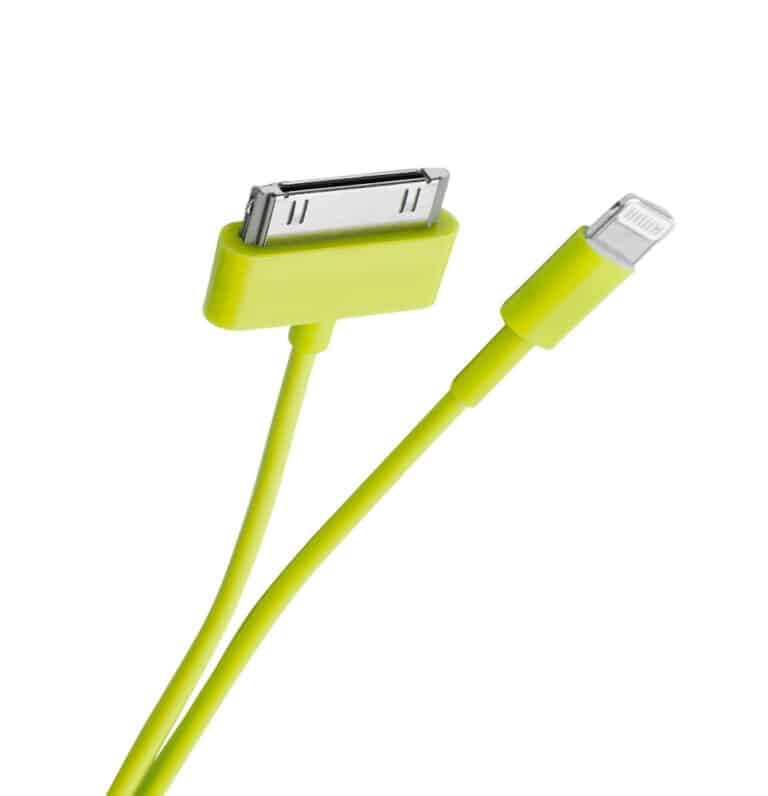
Lighting: Lightning cords are Apple-developed proprietary cables for iPhones, iPads, and iPods. They have a smaller connector than USB-A and USB-C and are only utilised with Apple goods.
Key Elements of a Charging Cable
Conductors: These are the wires inside the cable that transport electrical current from the power source to the device being charged.
Insulation: Insulation material surrounds the conductors, preventing them from coming into touch and resulting in short circuits. It also keeps the cable safe from external damage.
Connectors: Connectors are the plugs on each end of the cable that connect to the device and power source. They must be strong and well-designed to enable a secure connection and efficient power transfer.
The Impact of Charging Wires on Phone Health
Damaged charging cables can possibly impact phone performance and longevity by posing dangers like overcharging, overheating, and poor battery health. For safety, regularly inspect and replace any damaged cables.
Overcharging Protection: Quality charging cables frequently have safeguards that prevent overcharging, which can harm battery health over time. This is critical for the long-term health and longevity of the phone battery.
Overheating Prevention: Poor wires or improper connections can cause the phone to overheat when charging, causing internal component damage. High-quality cables are engineered to reduce heat generation and distribute it effectively.
Battery Health: Charging cords are critical in maintaining the overall health of the phone's battery. Using suitable, high-quality wires guarantees proper charging cycles and reduces needless
Potential Risk of Using Cheap Cables
Using inexpensive cables poses potential risks such as overcharging, overheating, and battery damage, compromising phone performance and longevity. Invest in quality cables for safety.
Electrical Risks
Voltage Fluctuations: Cheap cables may not regulate voltage correctly, resulting in inconsistent power delivery to the device. This may cause damage to delicate electronic components.
Short Circuits: Poor materials or construction increase the possibility of short circuits, which can cause a fire, permanent damage to the equipment, or even harm.
Overheating: Cheap cables with insufficient insulation or thin conductors can generate excessive heat during charging, increasing the risk of device overheating and causing damage to the battery or internal components.
Physical Damage
Wear and Tear on Charging Ports: Cheap cables may have ill-fitting connections or lack strain relief, causing excessive pressure on device charging ports. Over time, this might damage the ports and impair their functionality.
Frayed or Broken Wires: Poor-quality cables are prone to fraying or breaking at the connectors or along their length, revealing the internal wires. This reduces the cable's ability to transfer power safely and efficiently.
Poor building Quality: Low-cost cables frequently use worse materials and building processes, resulting in weak areas that are prone to bending, twisting, or pulling, leading to premature failure.
Data Security Risks
Data Transfer Integrity: Low-quality connections may not deliver stable data transfer, resulting in damaged or lost data during file transfers or software updates.
Malware Risk: Some counterfeit or untrusted cables may contain hidden malware or spyware, exposing your device and personal information to unauthorised access or exploitation.
Impact on Battery and Phone Performance
Battery and phone performance are influenced by factors like charging habits and cable quality, affecting longevity and overall functionality. Optimal choices enhance device reliability.
Battery Degradation
Battery degradation is the inevitable decrease of a battery's ability to hold a charge over time. This degradation is mostly determined by the number of charge cycles, with each complete charge and discharge cycle slightly reducing the battery's capacity. Furthermore, high temperatures, whether from the environment, prolonged use, or charging, can hasten the process by degrading the battery's chemistry. Furthermore, keeping the battery at extreme charge levels, such as constantly charging to 100% or emptying it to 0%, might contribute to faster degradation. To extend battery life, keep the charge between 20% and 80%.
Inconsistent charging speeds.
Inconsistent charging speeds can result from a variety of circumstances, affecting both battery health and phone performance. The quality of the charger is critical, utilising incompatible or low-quality chargers can result in fluctuations in charging speeds owing to inappropriate voltage or current delivery. Similarly, the quality and condition of the charging cable are critical; a damaged or poor wire might cause slow or inconsistent charging. Furthermore, the temperature of the phone during charging might have an impact on the speed—devices frequently slow down charging to avoid overheating. Background activities and programs running while the phone is charging might also consume power, resulting in variances in charging speed.
Overall Impact on Phone Longevity
Battery health and component maintenance have a substantial impact on total phone longevity. As the battery degrades, its ability to hold a charge decreases, resulting in shorter charge intervals and maybe more frequent charging, which drives degradation even more. Inconsistent charging speeds and high heat can stress the battery and other internal components, such as the CPU and GPU, resulting in worse performance and a shorter phone lifespan. As a result, users may notice slower app responses, more frequent crashes, and a general loss in seamless performance. This increased wear and tear may need an earlier replacement of the equipment, as it becomes less reliable and more difficult to operate efficiently.
Solutions for Avoiding Cable-Related Damage
Prevent cable-related damage by investing in quality cables, avoiding overcharging, and regularly inspecting cables for wear and tear to ensure device longevity.
Invest in premium cables from reliable manufacturers: This entails buying cables that are produced by respectable companies with a track record of creating robust and dependable goods. Better cables are less likely than less expensive, inferior ones to fray, break, or stop working.
To verify compatibility and safety, look for certifications like USB-IF or MFi (for Apple devices): Cables bearing certifications like MFi (Made for iPhone/iPad/iPod) or USB-IF (USB Implementers Forum) signify that they have been put through testing to ensure they match the exact specifications required by the corresponding organisations. This lowers the possibility of damage or malfunction by ensuring the cables are safe and suitable with your equipment.
Take care when handling and storing cables to avoid twisting, bending, or tangling them: Avoiding excessive bending, twisting, or pushing on the cables is a necessary part of proper handling because it can put stress on and harm the internal wires. Additionally, you may extend the life of your wires and avoid wear and tear by keeping them neatly and untangled while not in use.
To prevent potential hazards, regularly check cables for any symptoms of damage, such as fraying or exposed wires, and replace them right away: Check your cables from time to time for any obvious damage, including frayed or exposed wires, loose connectors, or bent plugs. It's critical to repair the cables right away if you see any damage in order to guard against potential electrical risks, data loss, and device damage.
Also Read: Can I Use My Phone While Charging?
Frequently Asked Questions
Are Cheap Charging Cables Okay?
Although inexpensive charging cords might appear to be a good deal, there are potential hazards like overcharging, overheating, and battery damage to the device. They might not have the required protections, which could shorten the device's lifespan and performance. It is advisable to spend money on high-quality cables that have built-in safeguards against these dangers in order to protect your device's health and safety. Although inexpensive cables could function at first, their long-term effects on the functionality and health of your device make them less desirable than higher-quality options.
Can Fake Chargers Damage Your Phone?
It's true that fake chargers can harm your phone. These fake chargers frequently lack the required safety precautions and may provide uneven or inaccurate voltage levels, which can cause overcharging, overheating, and even damage to the internal components or battery of the phone. Furthermore, counterfeit chargers usually have worse construction, which raises the possibility of electrical shorts or fires. Using a phony charger presents safety risks in addition to endangering the functionality and health of your phone. In order to protect your smartphone and guarantee the best possible charging performance, you must only use original chargers from reliable manufacturers.
What Are the Signs of a Bad Charging Cable?
Signs of a bad charging cable include fraying or exposed wires, loose connections, slow or inconsistent charging, and frequent disconnections. If your phone charges intermittently or if you notice any visible damage to the cable, it's time to replace it.
Do High-Quality Charging Cables Charge Faster Than Cheap Ones?
Yes, high-quality charging cables are designed to provide consistent power delivery and support faster charging speeds. Cheap cables may not be able to handle higher currents efficiently, leading to slower charging times.
Discover the best quality charging cables and all other mobile phone accessories at one place on our online shop.